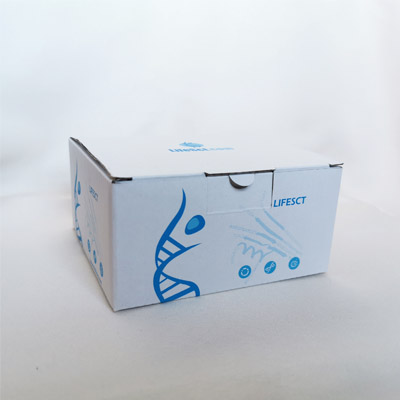
serum, plasma, tissue homogenates, cell lysates, cell culture supernates or other biological fluids.
Experimental method:
Sandwich
Shelf life:
12 months
Gene ID:
1373
UniProt ID:
P31327
Components:
1. Pre-coated, ready to use 96-well strip plate 1
2. Plate sealer for 96 wells 2
3. Standard 2
4. Diluents buffer: 1×45 mL
5. Detection Reagent A: 1×120 μL
6. Detection Reagent B: 1×120 μL
7. TMB Substrate: 1×9 mL
8. Stop Solution: 1×6 mL
9. Wash Buffer (30× concentrate): 1×20 mL
Background
This gene encodes an endoplasmic reticulum membrane oxidoreductase that is essential for multiple metabolic processes, including reactions catalyzed by cytochrome P450 proteins for metabolism of steroid hormones, drugs and xenobiotics. The encoded protein has a flavin adenine dinucleotide (FAD)-binding domain and a flavodoxin-like domain which bind two cofactors, FAD and FMN, that allow it to donate electrons directly from NADPH to all microsomal P450 enzymes. Mutations in this gene cause a complex set of disorders, including apparent combined P450C17 and P450C21 deficiency, amenorrhea and disordered steroidogenesis, congenital adrenal hyperplasia and Antley-Bixler syndrome, that resemble those caused by defects in steroid metabolizing enzymes such as aromatase, 21-hydroxylase, and 17 alpha-hydroxylase.