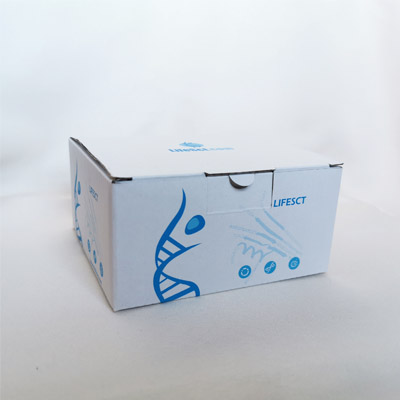
CDMP1; LAP4; SYNS2; BMP14; Radotermin; Cartilage-Derived Morphogenetic Protein-1; Bone morphogenetic protein 14; Lipopolysaccharide-associated protein 4
Species:
Human
Sample type:
serum, plasma, tissue homogenates, cell lysates, cell culture supernates or other biological fluids.
Experimental method:
Sandwich
Shelf life:
16 months
Gene ID:
8200
UniProt ID:
P43026
Components:
1. Pre-coated, ready to use 96-well strip plate 1
2. Plate sealer for 96 wells 2
3. Standard 2
4. Standard Diluent 1×10 mL
5. Detection Solution A 1×6 mL
6. Detection Solution B 1×6 mL
7. TMB Substrate 1×4.5 mL
8. Stop Solution: 1×3 mL
9. Wash Buffer (30× concentrate): 1×10 mL
Background
The gene GCK encodes a member of the hexokinase family of proteins. Hexokinases phosphorylate glucose to produce glucose-6-phosphate, the first step in most glucose metabolism pathways. In contrast to other forms of hexokinase, this enzyme is not inhibited by its product glucose-6-phosphate but remains active while glucose is abundant. The use of multiple promoters and alternative splicing of this gene result in distinct protein isoforms that exhibit tissue-specific expression in the pancreas and liver. In the pancreas, this enzyme plays a role in glucose-stimulated insulin secretion, while in the liver, this enzyme is important in glucose uptake and conversion to glycogen. Mutations in this gene that alter enzyme activity have been associated with multiple types of diabetes and hyperinsulinemic hypoglycemia.