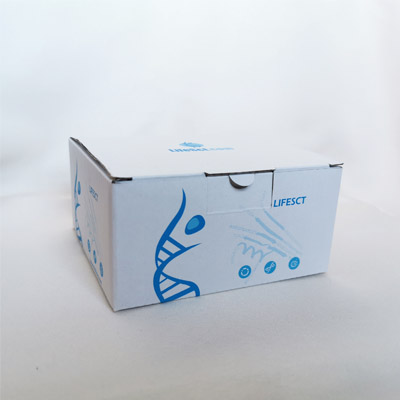
ACDCR1; CGI45; PAQR1; TESBP1A; TESBP1-A; Progestin and AdipoQ Receptor Family Member I
Species:
Human
Sample type:
serum, plasma, tissue homogenates or other biological fluids.
Experimental method:
Sandwich
Shelf life:
16 months
Gene ID:
51094
UniProt ID:
Q96A54
Components:
1. Pre-coated, ready to use 96-well strip plate 1
2. Plate sealer for 96 wells 2
3. Standard 2
4. Standard Diluent 1×10 mL
5. Detection Solution A 1×6 mL
6. Detection Solution B 1×6 mL
7. TMB Substrate 1×4.5 mL
8. Stop Solution: 1×3 mL
9. Wash Buffer (30× concentrate): 1×10 mL
Background
The gene ADAM17 encodes a member of the ADAM (a disintegrin and metalloprotease domain) family. Members of this family are membrane-anchored proteins structurally related to snake venom disintegrins, and have been implicated in a variety of biologic processes involving cell-cell and cell-matrix interactions, including fertilization, muscle development, and neurogenesis. The encoded preproprotein is proteolytically processed to generate the mature protease. The encoded protease functions in the ectodomain shedding of tumor necrosis factor-alpha, in which soluble tumor necrosis factor-alpha is released from the membrane-bound precursor. This protease also functions in the processing of numerous other substrates, including cell adhesion proteins, cytokine and growth factor receptors and epidermal growth factor (EGF) receptor ligands, and plays a prominent role in the activation of the Notch signaling pathway. Elevated expression of this gene has been observed in specific cell types derived from psoriasis, rheumatoid arthritis, multiple sclerosis and Crohn's disease patients, suggesting that the encoded protein may play a role in autoimmune disease. Additionally, this protease may play a role in viral infection through its cleavage of ACE2, the cellular receptor for SARS-CoV and SARS-CoV-2.