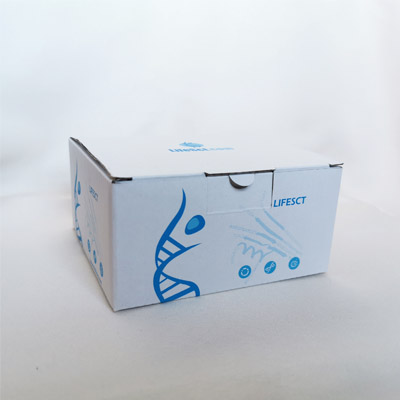
1. Pre-coated, ready to use 96-well strip plate 1
2. Plate sealer for 96 wells 2
3. Standard 2
4. Diluents buffer: 1×45 mL
5. Detection Reagent A: 1×120 μL
6. Detection Reagent B: 1×120 μL
7. TMB Substrate: 1×9 mL
8. Stop Solution: 1×6 mL
9. Wash Buffer (30× concentrate): 1×20 mL
Background
Actins are highly conserved proteins that are involved in various types of cell motility and in the maintenance of the cytoskeleton. Three types of actins, alpha, beta and gamma, have been identified in vertebrates. Alpha actins are found in muscle tissues and are a major constituent of the contractile apparatus. The beta and gamma actins co-exist in most cell types as components of the cytoskeleton and as mediators of internal cell motility. This gene encodes actin gamma 2; a smooth muscle actin found in enteric tissues. Alternative splicing results in multiple transcript variants encoding distinct isoforms. Based on similarity to peptide cleavage of related actins, the mature protein of this gene is formed by removal of two N-terminal peptides.