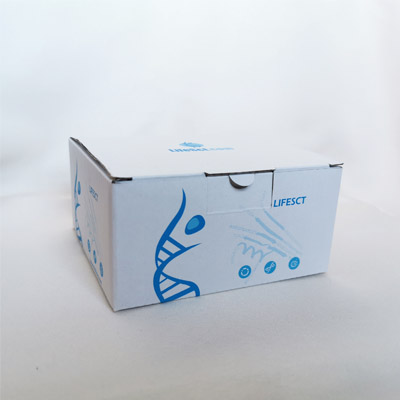
1. Pre-coated, ready to use 96-well strip plate 1
2. Plate sealer for 96 wells 2
3. Standard 2
4. Diluents buffer: 1×45 mL
5. Detection Reagent A: 1×120 μL
6. Detection Reagent B: 1×120 μL
7. TMB Substrate: 1×9 mL
8. Stop Solution: 1×6 mL
9. Wash Buffer (30× concentrate): 1×20 mL
Background
The protein encoded by the gene AGTR2 belongs to the G-protein coupled receptor 1 family, and functions as a receptor for angiotensin II. It is an intergral membrane protein that is highly expressed in fetus and in neonates, but scantily in adult tissues, except brain, adrenal medulla, and atretic ovary. This receptor has been shown to mediate programmed cell death and this apoptotic function may play an important role in developmental biology and pathophysiology. Mutations in this gene are been associated with X-linked cognitive disability. Severe Acute Respiratory Syndrome Coronavirus (SARS-CoV) and SARS-CoV-2 infection results in down-regulation of angiotensin converting enzyme-2 (ACE2) receptors, the effects of which, triggers serious inflammatory lesions in the tissues involved, primarily in the lungs. The inflammatory reaction appears to be mediated by angiotensin II derivatives, including the angiotensin AT2 receptor which has been found to be upregulated in bronchoalveolar lavage samples from Coronavirus disease 2019 (COVID19) patients.