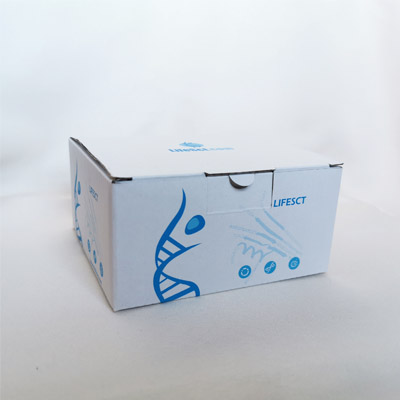
BPIFA1; SPURT; NASG; LUNX; SPLUNC1; Secretory Protein In Upper Respiratory Tracts; BPI Fold Containing Family A, Member 1; Nasopharyngeal carcinoma-related
Species:
Human
Sample type:
serum, plasma, tissue homogenates or other biological fluids.
Experimental method:
Sandwich
Shelf life:
12 months
Gene ID:
51297
UniProt ID:
Q9NP55
Components:
1. Pre-coated, ready to use 96-well strip plate 1
2. Plate sealer for 96 wells 2
3. Standard 2
4. Diluents buffer: 1×45 mL
5. Detection Reagent A: 1×120 μL
6. Detection Reagent B: 1×120 μL
7. TMB Substrate: 1×9 mL
8. Stop Solution: 1×6 mL
9. Wash Buffer (30× concentrate): 1×20 mL
Background
This gene is the human homolog of murine plunc, and like the mouse gene, is specifically expressed in the upper airways and nasopharyngeal regions. The encoded antimicrobial protein displays antibacterial activity against Gram-negative bacteria. It is thought to be involved in inflammatory responses to irritants in the upper airways and may also serve as a potential molecular marker for detection of micrometastasis in non-small-cell lung cancer. Multiple transcript variants resulting from alternative splicing in the 3' UTR have been detected, but the full-length nature of only three are known.