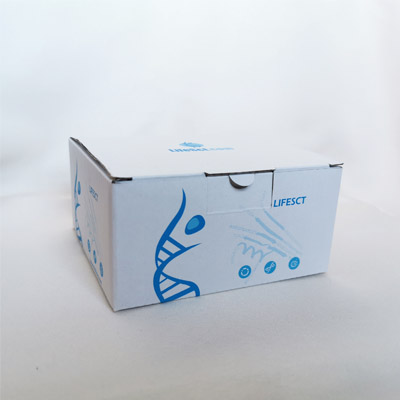
tissue homogenates, cell lysates or other biological fluids.
Experimental method:
Sandwich
Shelf life:
12 months
Gene ID:
26047
UniProt ID:
Q9UHC6
Components:
1. Pre-coated, ready to use 96-well strip plate 1
2. Plate sealer for 96 wells 2
3. Standard 2
4. Diluents buffer: 1×45 mL
5. Detection Reagent A: 1×120 μL
6. Detection Reagent B: 1×120 μL
7. TMB Substrate: 1×9 mL
8. Stop Solution: 1×6 mL
9. Wash Buffer (30× concentrate): 1×20 mL
Background
The cannabinoid delta-9-tetrahydrocannabinol is the principal psychoactive ingredient of marijuana. The proteins encoded by this gene and the cannabinoid receptor 1 (brain) (CNR1) gene have the characteristics of a guanine nucleotide-binding protein (G-protein)-coupled receptor for cannabinoids. They inhibit adenylate cyclase activity in a dose-dependent, stereoselective, and pertussis toxin-sensitive manner. These proteins have been found to be involved in the cannabinoid-induced CNS effects (including alterations in mood and cognition) experienced by users of marijuana. The cannabinoid receptors are members of family 1 of the G-protein-coupled receptors.