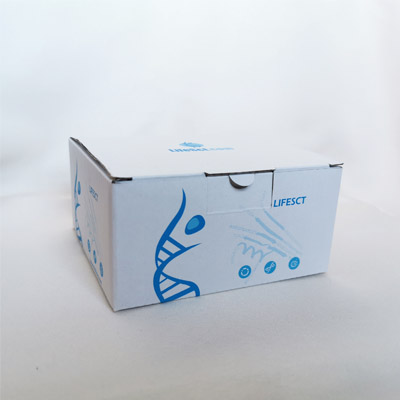
serum, plasma, tissue homogenates or other biological fluids.
Experimental method:
Sandwich
Shelf life:
12 months
Gene ID:
10663
UniProt ID:
O00574
Component:
1. Pre-coated, ready to use 96-well strip plate 1
2. Plate sealer for 96 wells 2
3. Standard 2
4. Diluents buffer: 1×45 mL
5. Detection Reagent A: 1×120 μL
6. Detection Reagent B: 1×120 μL
7. TMB Substrate: 1×9 mL
8. Stop Solution: 1×6 mL
9. Wash Buffer (30× concentrate): 1×20 mL
Background
The protein encoded by this gene is a G protein-coupled receptor with seven transmembrane domains that belongs to the CXC chemokine receptor family. This family also includes CXCR1, CXCR2, CXCR3, CXCR4, CXCR5, and CXCR7. This gene, which maps to the chemokine receptor gene cluster, is expressed in several T lymphocyte subsets and bone marrow stromal cells. The encoded protein and its exclusive ligand, chemokine ligand 16 (CCL16), are part of a signalling pathway that regulates T lymphocyte migration to various peripheral tissues (the liver, spleen red pulp, intestine, lungs, and skin) and promotes cell-cell interaction with dendritic cells and fibroblastic reticular cells. CXCR6/CCL16 also controls the localization of resident memory T lymphocytes to different compartments of the lung and maintains airway resident memory T lymphocytes, which are an important first line of defense against respiratory pathogens. The encoded protein serves as an entry coreceptor used by HIV-1 and SIV to enter target cells, in conjunction with CD4.