GPIPLD; GPIPLDM; PIGPLD; PIGPLD1; Glycoprotein phospholipase D; Glycosyl-phosphatidylinositol-specific phospholipase D
Species:
Human
Sample type:
serum, plasma or other biological fluids.
Experimental method:
Sandwich
Shelf life:
12 months
Gene ID:
2822
UniProt ID:
P80108
Components:
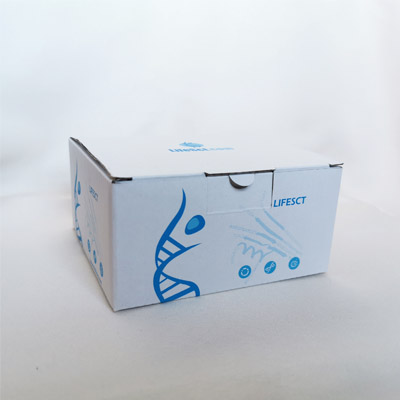
1. Pre-coated, ready to use 96-well strip plate 1
2. Plate sealer for 96 wells 2
3. Standard 2
4. Diluents buffer: 1×45 mL
5. Detection Reagent A: 1×120 μL
6. Detection Reagent B: 1×120 μL
7. TMB Substrate: 1×9 mL
8. Stop Solution: 1×6 mL
9. Wash Buffer (30× concentrate): 1×20 mL
Background
This gene encodes a multi-pass membrane protein that localizes to the endoplasmic reticulum and a member of the G-protein coupled receptor 1 family. This receptor binds estrogen and activates multiple downstream signaling pathways, leading to stimulation of adenylate cyclase and an increase in cyclic AMP levels, while also promoting intracellular calcium mobilization and synthesis of phosphatidylinositol 3,4,5-trisphosphate in the nucleus. This protein therefore plays a role in the rapid nongenomic signaling events widely observed following stimulation of cells and tissues with estrogen. This receptor has been shown to play a role in diverse biological processes, including bone and nervous system development, metabolism, cognition, male fertility and uterine function.