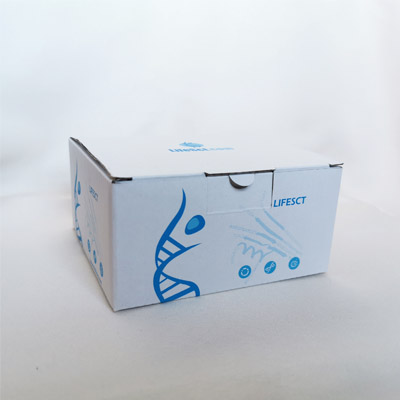
SERPIND1; HC2; HCF2; HC II; HLS2; LS2; Serpin D1; Serpin Peptidase Inhibitor Clade D Member 1; Protease inhibitor leuserpin-2
Species:
Human
Sample type:
plasma.
Experimental method:
Sandwich
Shelf life:
12 months
Gene ID:
3053
UniProt ID:
P05546
Components:
1. Pre-coated, ready to use 96-well strip plate 1
2. Plate sealer for 96 wells 2
3. Standard 2
4. Diluents buffer: 1×45 mL
5. Detection Reagent A: 1×120 μL
6. Detection Reagent B: 1×120 μL
7. TMB Substrate: 1×9 mL
8. Stop Solution: 1×6 mL
9. Wash Buffer (30× concentrate): 1×20 mL
Background
This gene belongs to the serpin gene superfamily. Serpins play roles in many processes including inflammation, blood clotting, and cancer metastasis. Members of this family have highly conserved secondary structures with a reactive center loop that interacts with the protease active site to inhibit protease activity. This gene encodes a plasma serine protease that functions as a thrombin and chymotrypsin inhibitor. The protein is activated by heparin, dermatan sulfate, and glycosaminoglycans. Allelic variations in this gene are associated with heparin cofactor II deficiency.