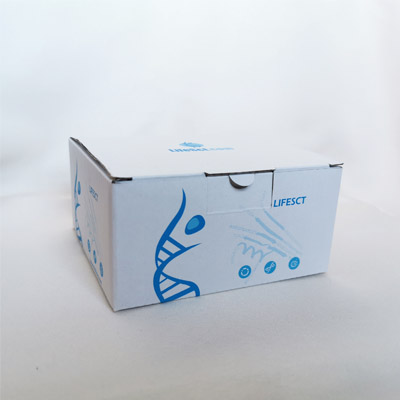
serum, plasma, tissue homogenates or other biological fluids.
Experimental method:
Sandwich
Shelf life:
12 months
Gene ID:
221476
UniProt ID:
Q6UXB8
Components:
1. Pre-coated, ready to use 96-well strip plate 1
2. Plate sealer for 96 wells 2
3. Standard 2
4. Diluents buffer: 1×45 mL
5. Detection Reagent A: 1×120 μL
6. Detection Reagent B: 1×120 μL
7. TMB Substrate: 1×9 mL
8. Stop Solution: 1×6 mL
9. Wash Buffer (30× concentrate): 1×20 mL
Background
This gene is a member of the Period family of genes and is expressed in a circadian pattern in the suprachiasmatic nucleus, the primary circadian pacemaker in the mammalian brain. Genes in this family encode components of the circadian rhythms of locomotor activity, metabolism, and behavior. This gene is upregulated by CLOCK/ARNTL heterodimers but then represses this upregulation in a feedback loop using PER/CRY heterodimers to interact with CLOCK/ARNTL. Polymorphisms in this gene may increase the risk of getting certain cancers. Alternative splicing has been observed in this gene; however, these variants have not been fully described.