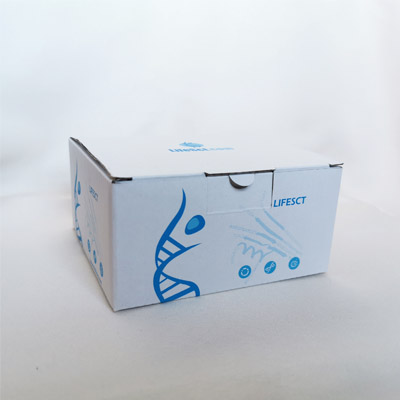
serum, plasma, urine, breast milk, tissue homogenates, cell lysates, cerebrospinal fluid, cell culture supernates or other biological fluids.
Experimental method:
Sandwich
Shelf life:
16 months
Gene ID:
12759
UniProt ID:
Q06890
Components:
1. Pre-coated, ready to use 96-well strip plate 1
2. Plate sealer for 96 wells 2
3. Standard 2
4. Standard Diluent 1×10 mL
5. Detection Solution A 1×6 mL
6. Detection Solution B 1×6 mL
7. TMB Substrate 1×4.5 mL
8. Stop Solution: 1×3 mL
9. Wash Buffer (30× concentrate): 1×10 mL
Background
The protein encoded by this gene is a secreted chaperone that can, under some stress conditions, also be found in the cell cytosol. It has been suggested to be involved in several basic biological events such as cell death, tumor progression, and neurodegenerative disorders. The encoded preproprotein undergoes proteolytic processing to generate a disulfide-linked heterodimeric mature protein comprised of alpha and beta subunits. Mice lacking the encoded protein exhibit increased severity of autoimmune myocarditis, faster progression of the acute inflammation to myocardial scarring and decreased brain injury following neonatal hypoxic-ischemic injury.