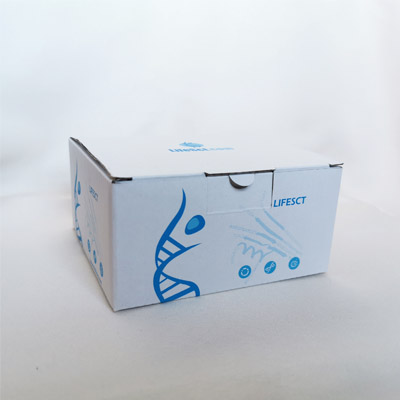
serum, plasma, tissue homogenates or other biological fluids.
Experimental method:
Sandwich
Shelf life:
12 months
Gene ID:
13038
UniProt ID:
P55097
Components:
1. Pre-coated, ready to use 96-well strip plate 1
2. Plate sealer for 96 wells 2
3. Standard 2
4. Diluents buffer: 1×45 mL
5. Detection Reagent A: 1×120 μL
6. Detection Reagent B: 1×120 μL
7. TMB Substrate: 1×9 mL
8. Stop Solution: 1×6 mL
9. Wash Buffer (30× concentrate): 1×20 mL
Background
This gene encodes a member of the cathepsin family of cysteine proteases that is highly expressed in osteoclasts and is involved in the degradation of collagen and other matrix proteins in bone. The encoded preproprotein undergoes proteolytic processing to generate a mature, functional enzyme. Mice lacking the encoded protein exhibit phenotypic features of pycnodysostosis such as increased bone density and bone deformity, which become progressively more pronounced with age.