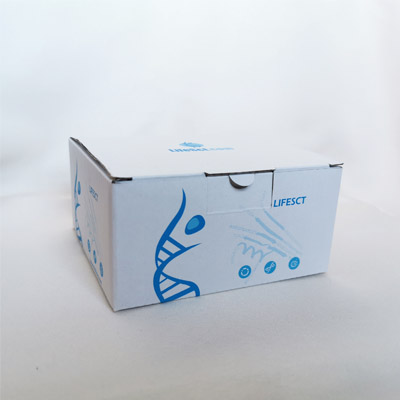
1. Pre-coated, ready to use 96-well strip plate 1
2. Plate sealer for 96 wells 2
3. Standard 2
4. Diluents buffer: 1×45 mL
5. Detection Reagent A: 1×120 μL
6. Detection Reagent B: 1×120 μL
7. TMB Substrate: 1×9 mL
8. Stop Solution: 1×6 mL
9. Wash Buffer (30× concentrate): 1×20 mL
Background
Enables several functions, including DNA-binding transcription factor activity, RNA polymerase II-specific; estrogen binding activity; and steroid binding activity. Involved in several processes, including brain development; regulation of transcription by RNA polymerase II; and reproductive structure development. Located in mitochondrion; perikaryon; and perinuclear region of cytoplasm. Part of protein-DNA complex. Used to study several diseases, including hypertension (multiple); obesity; peritonitis; prostate carcinoma in situ; and transient cerebral ischemia. Biomarker of asthma; brain ischemia; colitis; cystitis; and osteoporosis. Human ortholog(s) of this gene implicated in several diseases, including artery disease (multiple); autoimmune disease (multiple); bone disease (multiple); hypospadias; and neurodegenerative disease (multiple). Orthologous to human ESR2 (estrogen receptor 2).