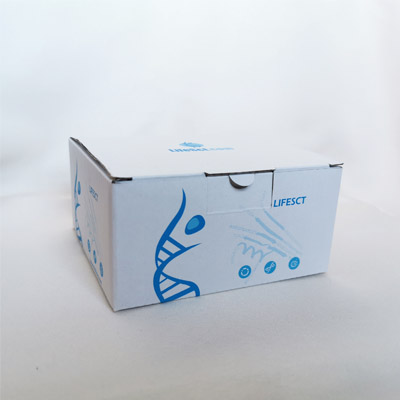
serum, plasma, tissue homogenates, cell lysates, cell culture supernates or other biological fluids.
Experimental method:
Sandwich
Shelf life:
12 months
Gene ID:
58991
UniProt ID:
Q9EQX0
Components:
1. Pre-coated, ready to use 96-well strip plate 1
2. Plate sealer for 96 wells 2
3. Standard 2
4. Diluents buffer: 1×45 mL
5. Detection Reagent A: 1×120 μL
6. Detection Reagent B: 1×120 μL
7. TMB Substrate: 1×9 mL
8. Stop Solution: 1×6 mL
9. Wash Buffer (30× concentrate): 1×20 mL
Background
This gene encodes a preproprotein that undergoes proteolytic processing to yield two bioactive peptides, ghrelin and obestatin. The hormone ghrelin plays a role in enhancing appetite and has numerous other biological functions that include stimulating the secretion of growth hormone (somatotropin) from the anterior pituitary gland. Obestatin is thought to be a hormone that functions in decreasing appetite. Mice lacking the encoded protein develop normally and exhibit no gross anatomical abnormalities. This gene encodes distinct isoforms, some or all of which may undergo similar proteolytic processing.