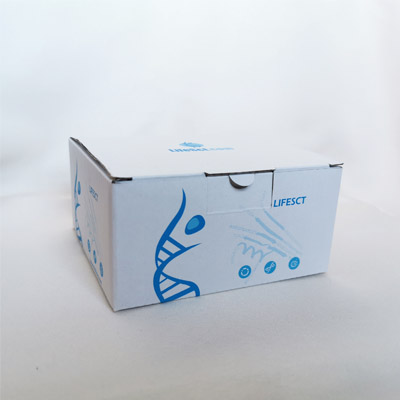
tissue homogenates, cell lysates or other biological fluids.
Experimental method:
Sandwich
Shelf life:
12 months
Gene ID:
56637
UniProt ID:
Q9WV60
Components:
1. Pre-coated, ready to use 96-well strip plate 1
2. Plate sealer for 96 wells 2
3. Standard 2
4. Diluents buffer: 1×45 mL
5. Detection Reagent A: 1×120 μL
6. Detection Reagent B: 1×120 μL
7. TMB Substrate: 1×9 mL
8. Stop Solution: 1×6 mL
9. Wash Buffer (30× concentrate): 1×20 mL
Background
Predicted to enable protein-folding chaperone binding activity. Involved in several processes, including glial cell activation; positive regulation of cellular component organization; and regulation of defense response. Acts upstream of or within several processes, including blastocyst hatching; locomotory exploration behavior; and positive regulation of cell population proliferation. Located in several cellular components, including endoplasmic reticulum; lysosome; and trans-Golgi network. Is active in cerebellar climbing fiber to Purkinje cell synapse. Is expressed in several structures, including brain; early conceptus; gonad; placenta; and skin. Used to study Grn-related frontotemporal lobar degeneration with Tdp43 inclusions and nephrogenic diabetes insipidus. Human ortholog(s) of this gene implicated in dementia (multiple); neurodegenerative disease (multiple); neuronal ceroid lipofuscinosis 11; and primary progressive multiple sclerosis. Orthologous to human GRN (granulin precursor).