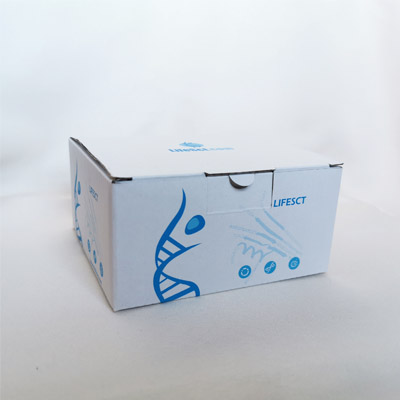
IT15; HD; Interesting Transcript 16; Huntington disease protein
Species:
Mouse
Sample type:
serum, plasma, tissue homogenates, cell lysates, cell culture supernates or other biological fluids.
Experimental method:
Sandwich
Shelf life:
12 months
Gene ID:
15194
UniProt ID:
P42859
Components:
1. Pre-coated, ready to use 96-well strip plate 1
2. Plate sealer for 96 wells 2
3. Standard 2
4. Diluents buffer: 1×45 mL
5. Detection Reagent A: 1×120 μL
6. Detection Reagent B: 1×120 μL
7. TMB Substrate: 1×9 mL
8. Stop Solution: 1×6 mL
9. Wash Buffer (30× concentrate): 1×20 mL
Background
Serotonin (5-hydroxytryptamine, 5-HT), a neurotransmitter, elicits a wide array of physiological effects by binding to several receptor subtypes, including the 5-HT2 family of seven-transmembrane-spanning, G-protein-coupled receptors, which activate phospholipase C and D signaling pathways. This gene encodes the 2C subtype of serotonin receptor and its mRNA is subject to multiple RNA editing events, where genomically encoded adenosine residues are converted to inosines. RNA editing is predicted to alter amino acids within the second intracellular loop of the 5-HT2C receptor and generate receptor isoforms that differ in their ability to interact with G proteins and the activation of phospholipase C and D signaling cascades, thus modulating serotonergic neurotransmission in the central nervous system. Studies in rodents show altered patterns of RNA editing in response to drug treatments and stressful situations.