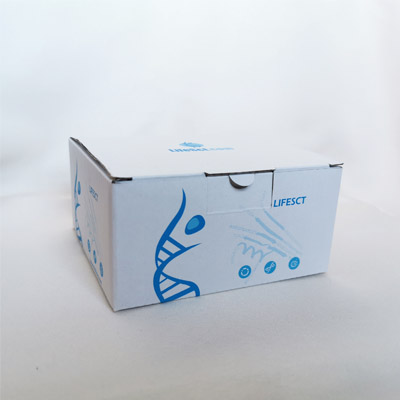
serum, plasma, tissue homogenates or other biological fluids.
Experimental method:
Sandwich
Shelf life:
12 months
Gene ID:
16847
UniProt ID:
P48356
Component:
1. Pre-coated, ready to use 96-well strip plate 1
2. Plate sealer for 96 wells 2
3. Standard 2
4. Diluents buffer: 1×45 mL
5. Detection Reagent A: 1×120 μL
6. Detection Reagent B: 1×120 μL
7. TMB Substrate: 1×9 mL
8. Stop Solution: 1×6 mL
9. Wash Buffer (30× concentrate): 1×20 mL
Background
Enables leptin receptor activity. Involved in several processes, including glucose homeostasis; leptin-mediated signaling pathway; and positive regulation of cold-induced thermogenesis. Acts upstream of or within several processes, including glial cell proliferation; glycogen metabolic process; and negative regulation of gluconeogenesis. Predicted to be located in extracellular space. Predicted to be part of receptor complex. Predicted to be active in external side of plasma membrane. Is expressed in several structures, including alimentary system; central nervous system; genitourinary system; limb; and respiratory system. Used to study metabolic dysfunction-associated steatotic liver disease; obesity; and type 2 diabetes mellitus. Human ortholog(s) of this gene implicated in several diseases, including artery disease (multiple); liver disease (multiple); obesity; obstructive sleep apnea; and type 2 diabetes mellitus. Orthologous to human LEPR (leptin receptor).