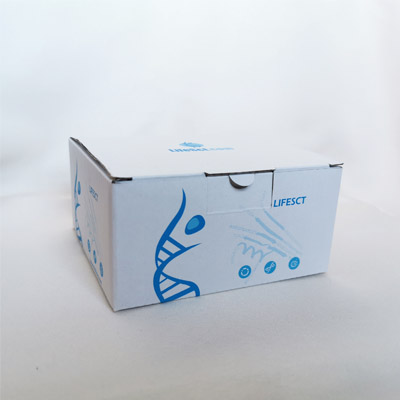
1. Pre-coated, ready to use 96-well strip plate 1
2. Plate sealer for 96 wells 2
3. Standard 2
4. Diluents buffer: 1×45 mL
5. Detection Reagent A: 1×120 μL
6. Detection Reagent B: 1×120 μL
7. TMB Substrate: 1×9 mL
8. Stop Solution: 1×6 mL
9. Wash Buffer (30× concentrate): 1×20 mL
Background
Translation initiation is mediated by specific recognition of the cap structure by eukaryotic translation initiation factor 4F (eIF4F), which is a cap binding protein complex that consists of three subunits: eIF4A, eIF4E and eIF4G. The protein encoded by this gene shares similarity with the C-terminal region of eIF4G, that contains the binding sites for eIF4A and eIF3; eIF4G in addition, contains a binding site for eIF4E at the N-terminus. Unlike eIF4G which supports cap-dependent and independent translation, this gene product functions as a general repressor of translation by forming translationally inactive complexes. Transgene expression of the apolipoprotein B mRNA-editing enzyme (APOBEC-1) causes extensive editing of this mRNA, which could contribute to the potent oncogenesis induced by overexpression of APOBEC-1. In vitro and in vivo studies in human indicate that translation of this mRNA initiates exclusively at a non-AUG (GUG) codon. This also appears to be true for mouse. Two alternatively spliced transcript variants that encode different isoforms have been found for this gene.