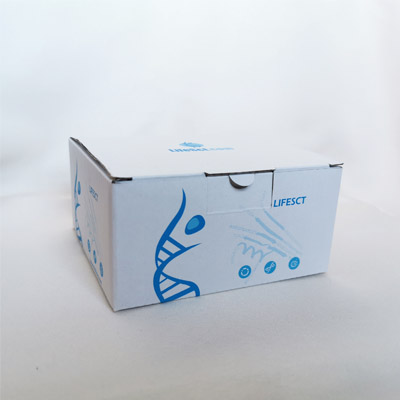
1. Pre-coated, ready to use 96-well strip plate 1
2. Plate sealer for 96 wells 2
3. Standard 2
4. Diluents buffer: 1×45 mL
5. Detection Reagent A: 1×120 μL
6. Detection Reagent B: 1×120 μL
7. TMB Substrate: 1×9 mL
8. Stop Solution: 1×6 mL
9. Wash Buffer (30× concentrate): 1×20 mL
Background
Enables phosphoenolpyruvate carboxykinase (GTP) activity. Involved in several processes, including gluconeogenesis; glyceraldehyde-3-phosphate biosynthetic process; and positive regulation of memory T cell differentiation. Acts upstream of or within several processes, including cellular response to potassium ion starvation; glycerol biosynthetic process from pyruvate; and positive regulation of transcription by RNA polymerase II. Is active in cytosol. Is expressed in several structures, including alimentary system; brown fat; cerebral cortex; liver; and urinary system. Human ortholog(s) of this gene implicated in Alzheimer's disease and type 2 diabetes mellitus. Orthologous to human PCK1 (phosphoenolpyruvate carboxykinase 1).