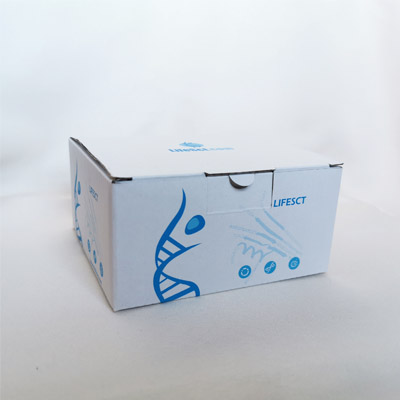
GIII-SPLA2; sPLA2-III; Group 3 secretory phospholipase A2; Group III secretory phospholipase A2; Phosphatidylcholine 2-acylhydrolase 3
Species:
Mouse
Sample type:
serum, plasma or other biological fluids.
Experimental method:
Sandwich
Shelf life:
12 months
Gene ID:
237625
UniProt ID:
Q6AXH0
Components:
1. Pre-coated, ready to use 96-well strip plate 1
2. Plate sealer for 96 wells 2
3. Standard 2
4. Diluents buffer: 1×45 mL
5. Detection Reagent A: 1×120 μL
6. Detection Reagent B: 1×120 μL
7. TMB Substrate: 1×9 mL
8. Stop Solution: 1×6 mL
9. Wash Buffer (30× concentrate): 1×20 mL
Background
Proteins belonging to the phospholipase A2 (PLA2) family hydrolyze phospholipids into sn2 fatty acids and lysophospholipids. They function in a variety of cellular processes, including the digestion of phospholipids and the production of molecules that induce inflammatory responses. This gene encodes a member of the group II class of secretory PLA2s. The secreted enzyme binds to heparin on the cell surface. Mutations in this gene increase the occurrence of intestinal polyps caused by a dominant mutation in the adenomatosis polyposis coli gene. A frameshift inactivates this gene product in some mouse strains including the strain of the reference genome, C57BL/6J, whereas a functional protein is produced in other strains.