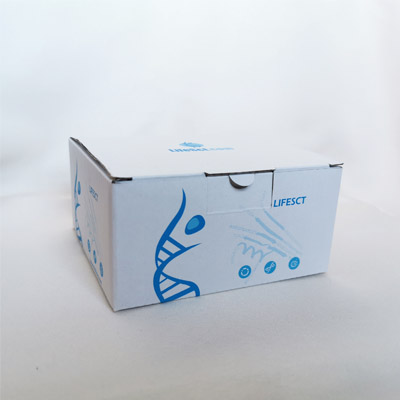
NR1C1; PPAR-A; HPPAR; Nuclear Receptor Subfamily 1 Group C Member 1
Species:
Mouse
Sample type:
serum, plasma, tissue homogenates, cell lysates, cell culture supernates or other biological fluids.
Experimental method:
Sandwich
Shelf life:
12 months
Gene ID:
19013
UniProt ID:
P23204
Component:
1. Pre-coated, ready to use 96-well strip plate 1
2. Plate sealer for 96 wells 2
3. Standard 2
4. Diluents buffer: 1×45 mL
5. Detection Reagent A: 1×120 μL
6. Detection Reagent B: 1×120 μL
7. TMB Substrate: 1×9 mL
8. Stop Solution: 1×6 mL
9. Wash Buffer (30× concentrate): 1×20 mL
Background
Enables RNA polymerase II cis-regulatory region sequence-specific DNA binding activity; lipid binding activity; and nuclear receptor activity. Involved in several processes, including negative regulation of appetite; peroxisome proliferator activated receptor signaling pathway; and regulation of gene expression. Acts upstream of or within several processes, including enamel mineralization; positive regulation of biosynthetic process; and wound healing. Predicted to be located in nucleoplasm. Predicted to be active in nucleus. Is expressed in several structures, including adipose tissue; early conceptus; gut; hemolymphoid system gland; and skeletal muscle. Used to study diabetes mellitus and schizophrenia. Human ortholog(s) of this gene implicated in Alzheimer's disease; coronary artery disease; hepatocellular carcinoma; lipid metabolism disorder; and myocardial infarction. Orthologous to human PPARA (peroxisome proliferator activated receptor alpha).