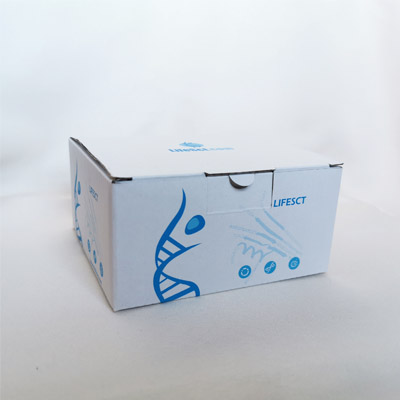
tissue homogenates, cell lysates or other biological fluids.
Experimental method:
Sandwich
Shelf life:
12 months
Gene ID:
19017
UniProt ID:
O70343
Components:
1. Pre-coated, ready to use 96-well strip plate 1
2. Plate sealer for 96 wells 2
3. Standard 2
4. Diluents buffer: 1×45 mL
5. Detection Reagent A: 1×120 μL
6. Detection Reagent B: 1×120 μL
7. TMB Substrate: 1×9 mL
8. Stop Solution: 1×6 mL
9. Wash Buffer (30× concentrate): 1×20 mL
Background
Enables DNA binding activity and DNA-binding transcription repressor activity, RNA polymerase II-specific. Involved in several processes, including negative regulation of myoblast differentiation; positive regulation of skeletal muscle tissue regeneration; and regulation of gene expression. Acts upstream of or within several processes, including keratinocyte migration; keratinocyte proliferation; and positive regulation of phosphatidylinositol 3-kinase/protein kinase B signal transduction. Located in chromatin and nucleus. Is expressed in several structures, including brain; early conceptus; genitourinary system; gut; and sensory organ. Used to study Huntington's disease and type 2 diabetes mellitus. Human ortholog(s) of this gene implicated in type 2 diabetes mellitus. Orthologous to human PPARD (peroxisome proliferator activated receptor delta).