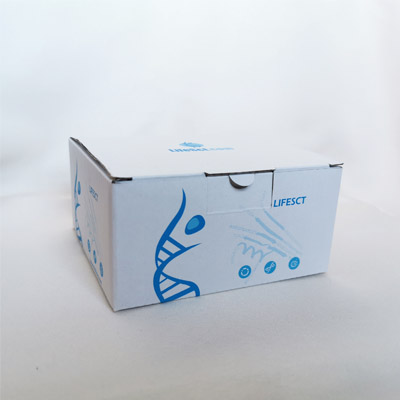
tissue homogenates, cell lysates, cell culture supernates or other biological fluids.
Experimental method:
Sandwich
Shelf life:
12 months
Gene ID:
18754
UniProt ID:
P16054
Component:
1. Pre-coated, ready to use 96-well strip plate 1
2. Plate sealer for 96 wells 2
3. Standard 2
4. Diluents buffer: 1×45 mL
5. Detection Reagent A: 1×120 μL
6. Detection Reagent B: 1×120 μL
7. TMB Substrate: 1×9 mL
8. Stop Solution: 1×6 mL
9. Wash Buffer (30× concentrate): 1×20 mL
Background
Enables several functions, including 14-3-3 protein binding activity; actin monomer binding activity; and diacylglycerol-dependent, calcium-independent serine/threonine kinase activity. Involved in several processes, including cell surface receptor signaling pathway; positive regulation of actin filament polymerization; and positive regulation of fibroblast migration. Acts upstream of or within several processes, including cellular response to alcohol; positive regulation of cell communication; and regulation of secretion. Located in several cellular components, including cytosol; mitochondrion; and perinuclear region of cytoplasm. Colocalizes with Golgi apparatus. Is expressed in several structures, including alimentary system; central nervous system; genitourinary system; heart; and submandibular gland primordium. Orthologous to human PRKCE (protein kinase C epsilon).