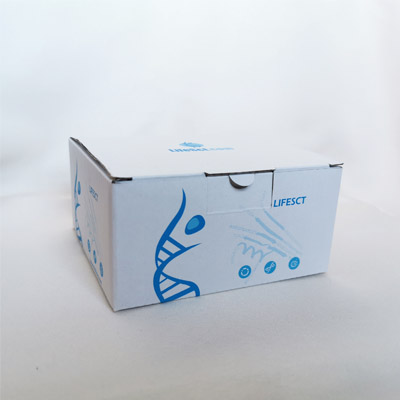
1. Pre-coated, ready to use 96-well strip plate 1
2. Plate sealer for 96 wells 2
3. Standard 2
4. Diluents buffer: 1×45 mL
5. Detection Reagent A: 1×120 μL
6. Detection Reagent B: 1×120 μL
7. TMB Substrate: 1×9 mL
8. Stop Solution: 1×6 mL
9. Wash Buffer (30× concentrate): 1×20 mL
Background
Enables cell adhesion molecule binding activity; non-membrane spanning protein tyrosine phosphatase activity; and signaling receptor binding activity. Involved in several processes, including negative regulation of chondrocyte differentiation; positive regulation of cytokine production; and positive regulation of lipopolysaccharide-mediated signaling pathway. Acts upstream of or within several processes, including cell surface receptor signaling pathway; myeloid cell differentiation; and regulation of hormone secretion. Is active in cytosol. Is expressed in several structures, including alimentary system; brain; genitourinary system; hemolymphoid system gland; and retina. Used to study several diseases, including Noonan syndrome 1; hepatocellular adenoma; idiopathic scoliosis; intrinsic cardiomyopathy (multiple); and juvenile myelomonocytic leukemia. Human ortholog(s) of this gene implicated in several diseases, including Noonan syndrome (multiple); Noonan syndrome with multiple lentigines 1; atrophic gastritis; juvenile myelomonocytic leukemia; and metachondromatosis. Orthologous to human PTPN11 (protein tyrosine phosphatase non-receptor type 11).