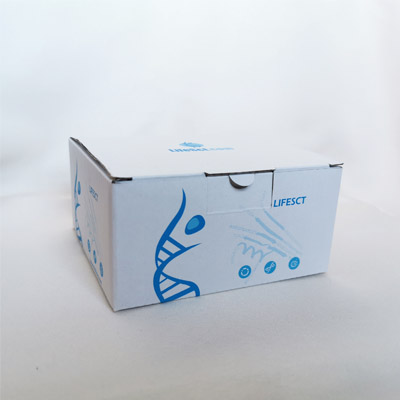
PSD95; SAP90; Postsynaptic density protein 95; Synapse-associated protein 90
Species:
Rat
Sample type:
tissue homogenates, cell lysates or other biological fluids.
Experimental method:
Sandwich
Shelf life:
12 months
Gene ID:
29495
UniProt ID:
P31016
Components:
1. Pre-coated, ready to use 96-well strip plate 1
2. Plate sealer for 96 wells 2
3. Standard 2
4. Diluents buffer: 1×45 mL
5. Detection Reagent A: 1×120 μL
6. Detection Reagent B: 1×120 μL
7. TMB Substrate: 1×9 mL
8. Stop Solution: 1×6 mL
9. Wash Buffer (30× concentrate): 1×20 mL
Background
This is an intronless, imprinted gene that is preferentially expressed from the paternal allele. The encoded protein belongs to the iodothyronine deiodinase family, and catalyzes the inactivation of thyroid hormone by inner ring deiodination of the prohormone thyroxine (T4) and the bioactive hormone 3,3',5-triiodothyronine (T3) to inactive metabolites, 3,3',5' triiodothyronine (RT3) and 3,3'-diiodothyronine (T2), respectively. It is highly expressed in placenta, fetal and neonatal tissues, and thought to prevent premature exposure of developing fetal tissues to adult levels of thyroid hormones. It thus plays a critical role in mammalian development by regulating circulating fetal thyroid hormone concentration. This protein is a selenoprotein, containing the rare selenocysteine (Sec) amino acid at its active site. Sec is encoded by the UGA codon, which normally signals translation termination. The 3' UTRs of selenoprotein mRNAs contain a conserved stem-loop structure, designated the Sec insertion sequence (SECIS) element, that is necessary for the recognition of UGA as a Sec codon rather than as a stop signal.