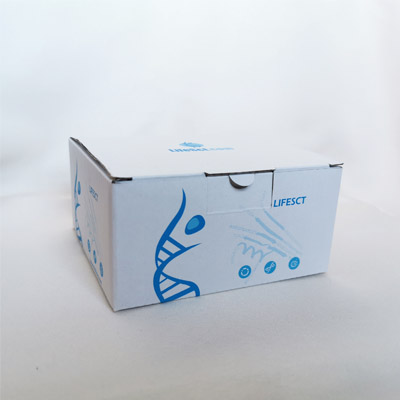
tissue homogenates, cell lysates or other biological fluids.
Experimental method:
Sandwich
Shelf life:
12 months
Gene ID:
170704
UniProt ID:
Q91ZY1
Components:
1. Pre-coated, ready to use 96-well strip plate 1
2. Plate sealer for 96 wells 2
3. Standard 2
4. Diluents buffer: 1×45 mL
5. Detection Reagent A: 1×120 μL
6. Detection Reagent B: 1×120 μL
7. TMB Substrate: 1×9 mL
8. Stop Solution: 1×6 mL
9. Wash Buffer (30× concentrate): 1×20 mL
Background
This gene encodes a histamine H3 receptor that belongs to the superfamily of G-protein coupled receptors. This protein functions as a presynaptic autoreceptor on histamine neurons in the brain, and a presynaptic heteroreceptor in nonhistamine-containing neurons in both the central and peripheral nervous systems. It is deemed a great target for the development of therapeutics for numerous disorders, including obesity, epilepsy, and such cognitive diseases as attention deficit hyperactivity disorder and Alzheimer's disease. Several alternatively spliced transcript variants encoding different isoforms, with different brain expression patterns and signaling properties, have been described for this gene.