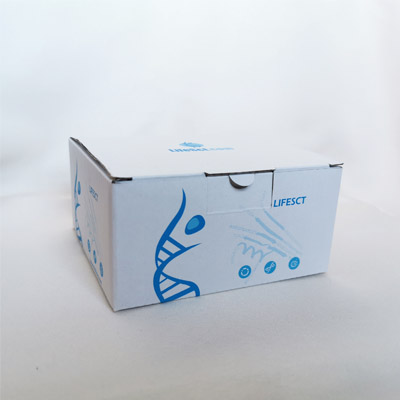
serum, plasma, tissue homogenates, cell lysates, cell culture supernates or other biological fluids.
Experimental method:
Sandwich
Shelf life:
16 months
Gene ID:
64654
UniProt ID:
Q9EPC2
Components:
1. Pre-coated, ready to use 96-well strip plate 1
2. Plate sealer for 96 wells 2
3. Standard 2
4. Standard Diluent 1×10 mL
5. Detection Solution A 1×6 mL
6. Detection Solution B 1×6 mL
7. TMB Substrate 1×4.5 mL
8. Stop Solution: 1×3 mL
9. Wash Buffer (30× concentrate): 1×10 mL
Background
Predicted to enable several functions, including Hsp70 protein binding activity; S100 protein binding activity; and signaling receptor binding activity. Acts upstream of or within several processes, including organ induction; positive regulation of epithelial cell proliferation; and positive regulation of macromolecule metabolic process. Located in extracellular matrix and extracellular space. Is expressed in several structures, including alimentary system; central nervous system; genitourinary system; respiratory system; and sensory organ. Human ortholog(s) of this gene implicated in brain ischemia; cleft lip; myocardial infarction; schizophrenia; and urinary bladder cancer. Orthologous to human FGF1 (fibroblast growth factor 1).