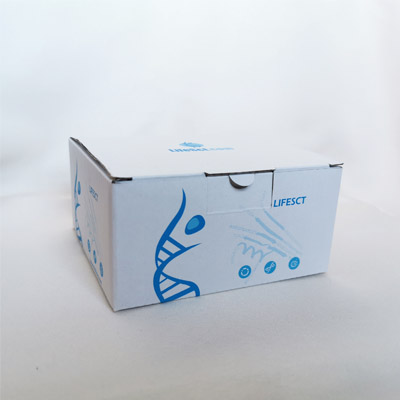
serum, plasma, tissue homogenates, cell culture supernates or other biological fluids.
Experimental method:
Sandwich
Shelf life:
16 months
Gene ID:
21808
UniProt ID:
P27090
Components:
1. Pre-coated, ready to use 96-well strip plate 1
2. Plate sealer for 96 wells 2
3. Standard 2
4. Standard Diluent 1×10 mL
5. Detection Solution A 1×6 mL
6. Detection Solution B 1×6 mL
7. TMB Substrate 1×4.5 mL
8. Stop Solution: 1×3 mL
9. Wash Buffer (30× concentrate): 1×10 mL
Background
This gene encodes a member of the epidermal growth factor (EGF) family of proteins that regulate cellular proliferation. The encoded protein undergoes proteolytic processing to generate a soluble glycoprotein that is secreted by the cell. The secreted protein binds to the EGF receptors to initiate signaling events resulting in cellular proliferation, mucous production or inhibition of gastric acid secretion. The transgenic expression of the encoded protein in mice induces the development of cancers in various tissues such as liver, pancreas, skin and mammary glands. Mice lacking the encoded protein exhibit a wavy coat and curly whiskers phenotype as well as abnormalities in the eye.